
Need help with fire and hazard detection?
Contact Us → Get a Quote →
DETECTION DEVICES
Linear Heat
Like spot heat detection, linear heat detection activates when temperature rises at a defined rate or when a preset temperature is reached.
Unlike spot heat detectors, which monitor at single points, linear heat detection monitors for heat conditions along the entire length of the cable or tubing, whether the run is tens of feet or thousands of feet.

In certain systems, the detection tubing can also contain a gaseous suppression agent, such as CO₂ or a clean agent, allowing detection and discharge to occur at the point of activation.
Linear heat detection is well suited for tunnels, conveyor systems, harsh environments, and small or confined enclosures. The sensing line can be routed along moving equipment, maintaining continuous detection as it operates.

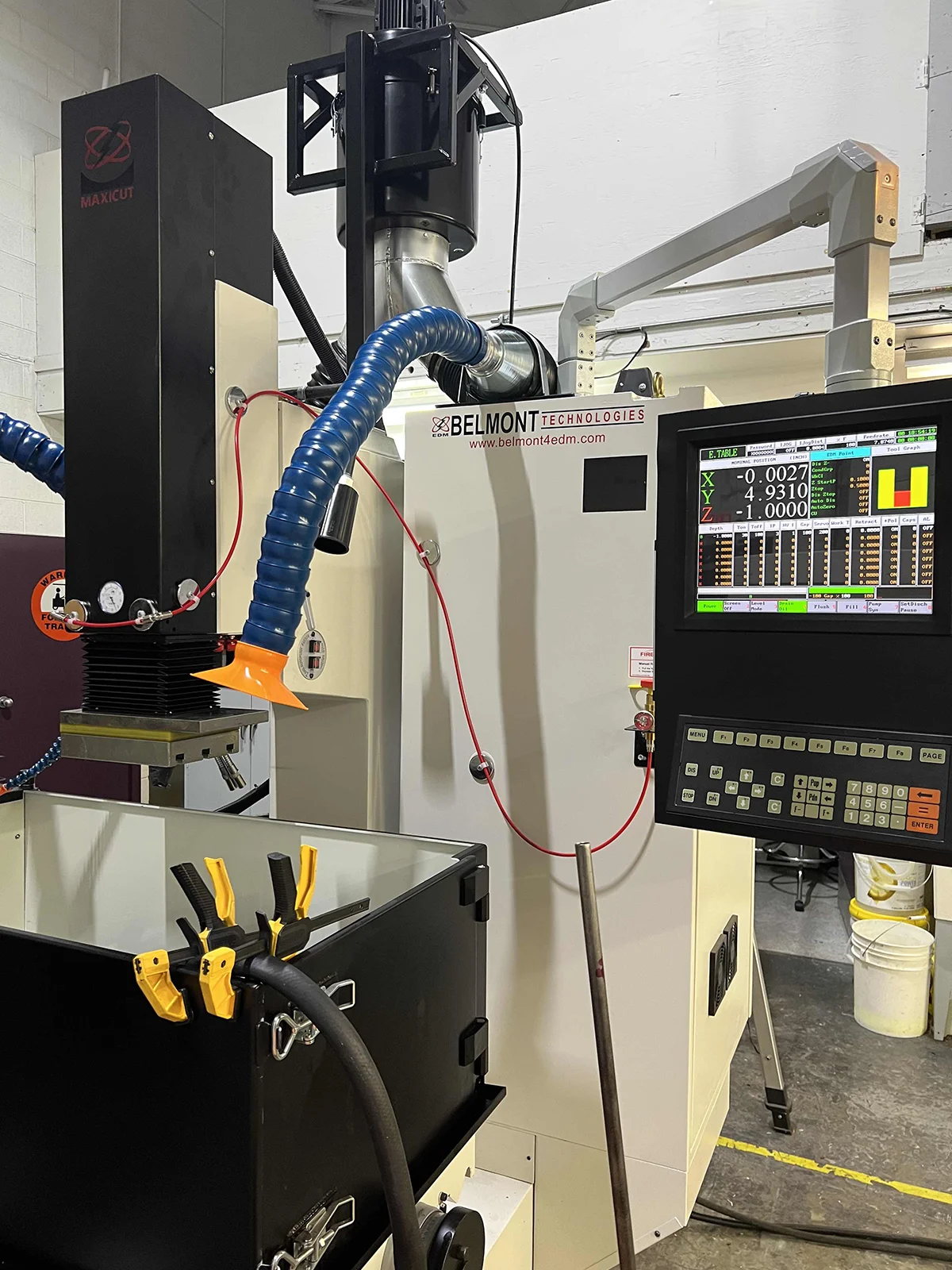
Linear heat detection routed through a sealed enclosure penetration for fire detection within a small confined equipment enclosure.
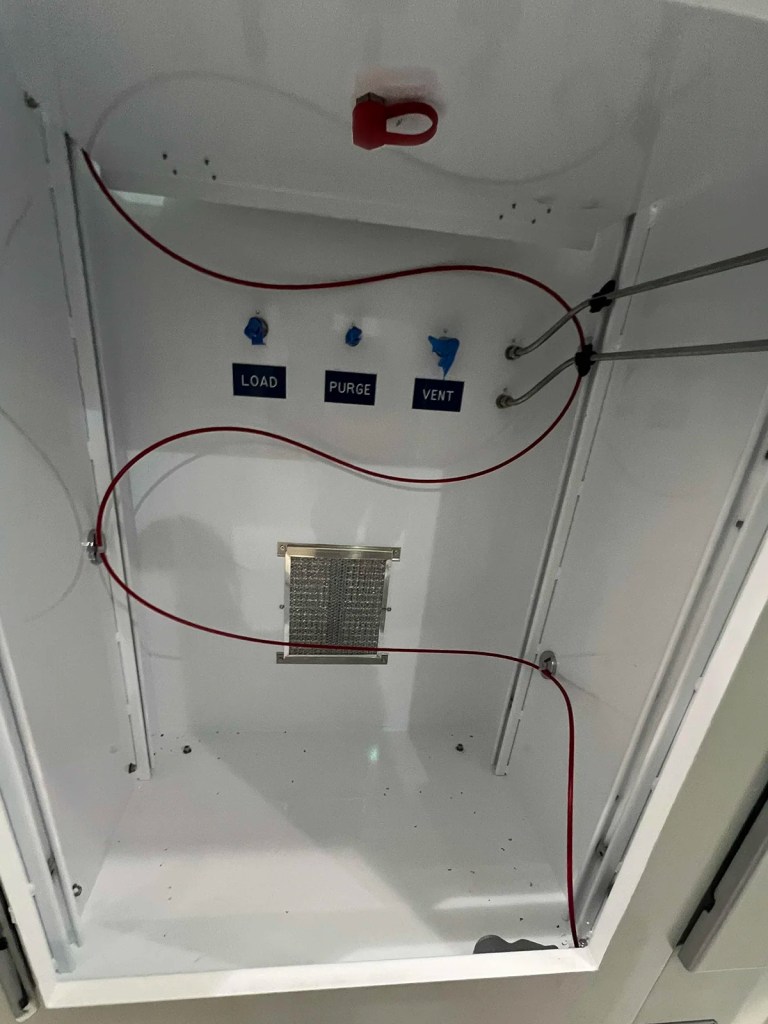
Inside a small enclosed chamber where linear heat detection initiates a total flooding CO₂ Fire Suppression System. Upon detection, the system discharges to achieve the required design concentration throughout the enclosure.
LINEAR HEAT APPLICATIONS
Belt conveyors. Cable trays. Cable tunnels. Cold storage. Confined enclosures. Control panels. Dust collectors. Electrical enclosures. Elevator shafts. Escalators and moving walkways. Harsh environments. High-rack storage. Machinery enclosures. Moving equipment. Parking structures. Tunnels. Vehicle engine compartments. Waste handling systems.
Design + Install
Fire Defense provides design and installation for linear heat detection systems used where continuous heat detection is required over long distances or across irregular layouts.
- Cable routing along equipment or structures
- Detector selection based on temperature rating
- Interface with alarm and suppression systems
- Installation in harsh and confined environments
- Retrofit and expansion of existing systems
ITM
Inspection, testing, and maintenance services for linear heat detection systems to verify continuity, response, and physical condition.
- Circuit continuity testing
- Functional heat testing where applicable
- Cable condition inspection
- Mounting and routing verification
- Interface testing with control systems
- Documentation and reporting
Emergency Service
24/7 emergency service is available for linear heat detection systems. Fire Defense supports damaged cable replacement, fault troubleshooting, and restoration of detection coverage.
Codes and Standards
Fire Defense performs linear heat detection system services in accordance with NFPA 72 and other applicable codes, manufacturer requirements, customer specifications, and AHJ requirements.
Note: NFPA makes its codes and standards available online for free. Select View Free Access under Current & Prior Editions and create a free account.


Questions & Answers
How does linear heat detection differ in application from spot detection?
Linear heat detection provides continuous coverage along equipment or infrastructure, making it suitable for conveyors, cable trays, and areas where point detection is impractical.