
Need help with Explosion Protection?
Contact Us → Get a Quote →
DUST + GAS
Explosion Protection
Process industries where combustible dusts or flammable gases are present within enclosed equipment or ductwork can create deflagration events. Explosion protection systems combine detection, suppression, isolation, and venting to interrupt these events before destructive pressure develops.
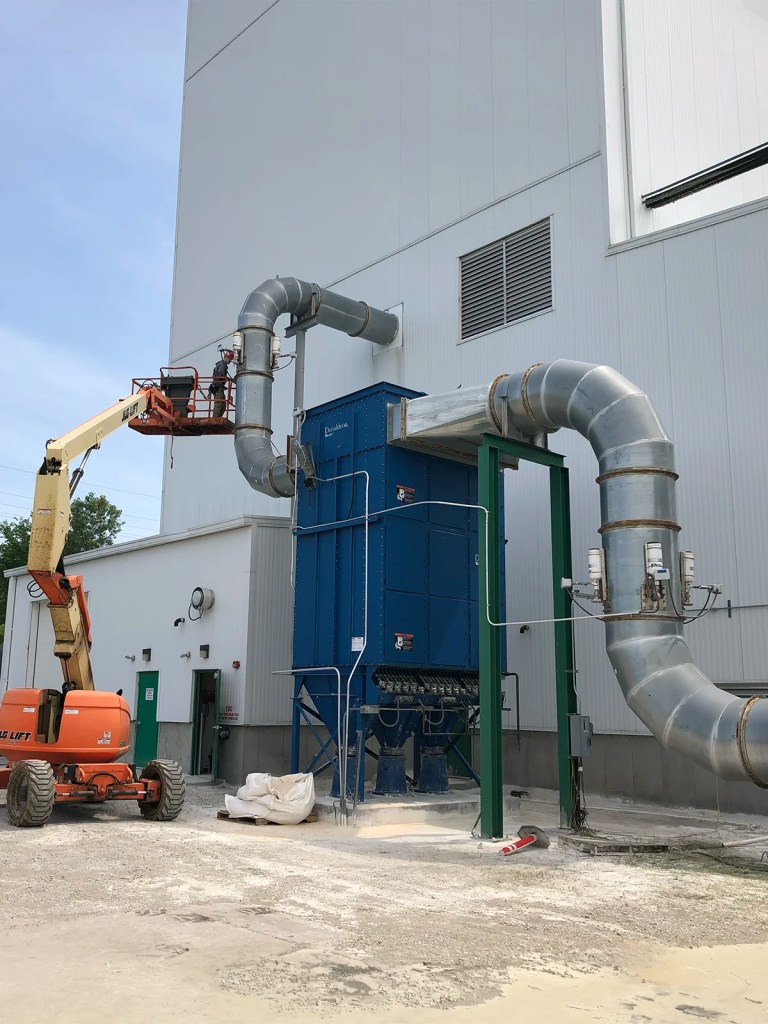
Fire Defense inspecting a Fike explosion protection system with chemical isolation installed on process inlet and exhaust ductwork before and after a dust collector to prevent deflagration propagation.
Detection uses high-speed optical or pressure sensors to identify incipient deflagration within milliseconds by sensing light or rapid pressure rise.
Suppression interrupts combustion by discharging food-grade or non-food-grade chemical agents.
Isolation prevents a deflagration from spreading through interconnected ductwork and equipment using high-speed valves or chemical agent barriers.
Venting provides a dedicated path to relieve explosion pressure and flame to a safe location, reducing structural damage.
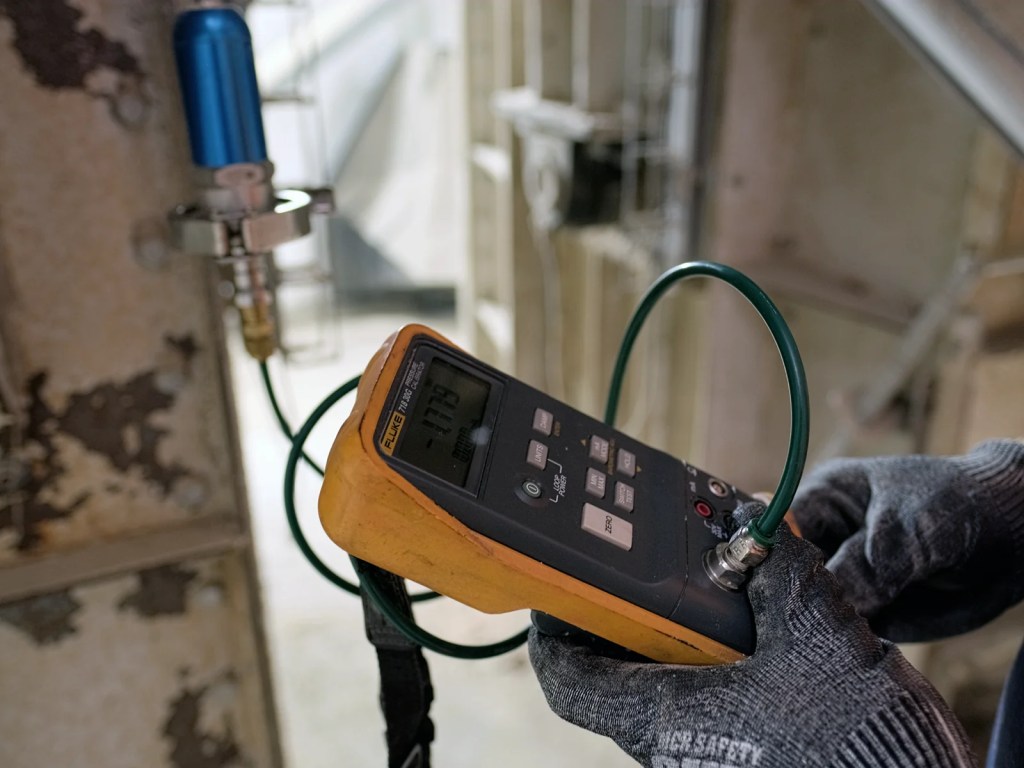
Fire Defense function testing an explosion pressure detector with calibrated instrumentation to verify proper detector response and activation thresholds during inspection.
EXPLOSION PROTECTION APPLICATIONS
Agriculture. Animal Feed. Chemicals. Cosmetics. Flavor Production. Food and Beverage Processing. Fragrance. Grain. Mining. Minerals. Nutrition. Pharmaceutical. Plastics. Power Generation. Pulp and Paper. Recycling. Renewable Waste Fuels. Smelting Metals. Textiles. Woodworking.
PROTECTED EQUIPMENT
Air Material Separators. Blenders. Bucket Elevators. Bunkers. Conveyors. Crushers. Cyclones. Drying Ovens. Dust Collectors. Filters. Flash Dryers. Grinders. Hammermills. Media Blasting. Mixers. Pneumatic Conveying. Rotary Valves. Regenerative Thermal Oxidizer. Screw Conveyors. Silos. Shot Blasting. Shredders. Spray Dryers. Wet Machining.
Dust Hazard Analysis + Testing
Fire Defense supports Dust Hazard Analysis coordination and explosibility testing for Explosion Protection Systems. This may include combustible dust sampling, review of process hazards, and evaluation of data such as Kst, Pmax, ignition sensitivity, and related explosion characteristics used to support protection system design.
Design + Install
Fire Defense provides engineering support, equipment coordination, and turnkey installation for Explosion Protection Systems. Scope may include process review, detector and suppressor layout, vent placement, isolation device integration, startup, and customer orientation.
ITM
Fire Defense technicians perform inspection, testing, and maintenance for Explosion Protection Systems to verify detector operation, suppression hardware condition, controller status, and isolation or venting readiness.
- Inspection and testing (quarterly, semi-annual, annual)
- Detector accuracy verification (pressure/optical)
- Suppression agent pressure verified
- Inspection for material buildup
- Verify control system is functioning as designed
- Gas cartridge actuator (GCA) replacement
- Vent release pressure verification
- Isolation valves testing
- Interlock and equipment shutdown testing
- System rebuild
Emergency Service
24/7 emergency service is available for Explosion Protection Systems. Fire Defense supports urgent troubleshooting, post-event system restoration, reload coordination, and replacement of common field components maintained in inventory to shorten downtime.
Codes and Standards
Fire Defense performs Explosion Protection System services in accordance with applicable codes and standards, including NFPA 61, NFPA 68, NFPA 69, NFPA 652, applicable building and fire codes, manufacturer requirements, customer specifications, and AHJ requirements.
Note: NFPA makes its codes and standards available online for free. Select View Free Access under Current & Prior Editions and create a free account.
Visit NFPA 68: Standard on Explosion Protection by Deflagration Venting →
Visit NFPA 69: Standard on Explosion Prevention Systems →
Visit NFPA 652: Standard on the Fundamentals of Combustible Dust →
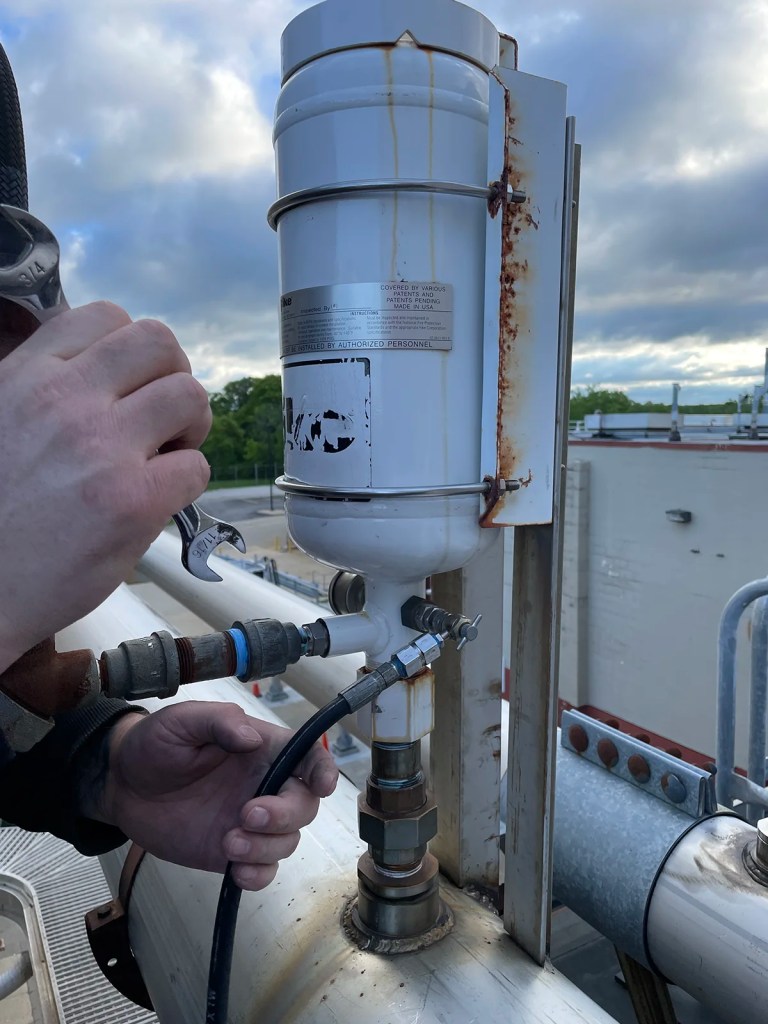
Fire Defense rebuilding a Fike SRD chemical isolation assembly installed on process ductwork connected to a dust collector.
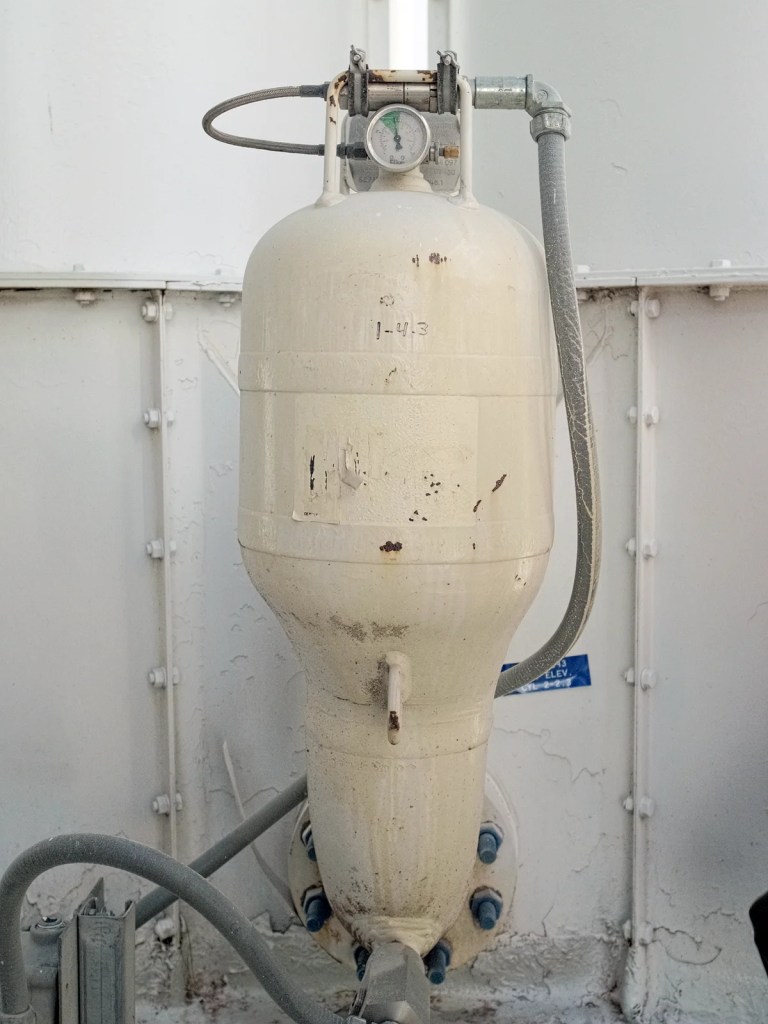
Fire Defense inspecting a Fike explosion protection system with HRD chemical suppression installed on grain handling equipment to suppress deflagration events.
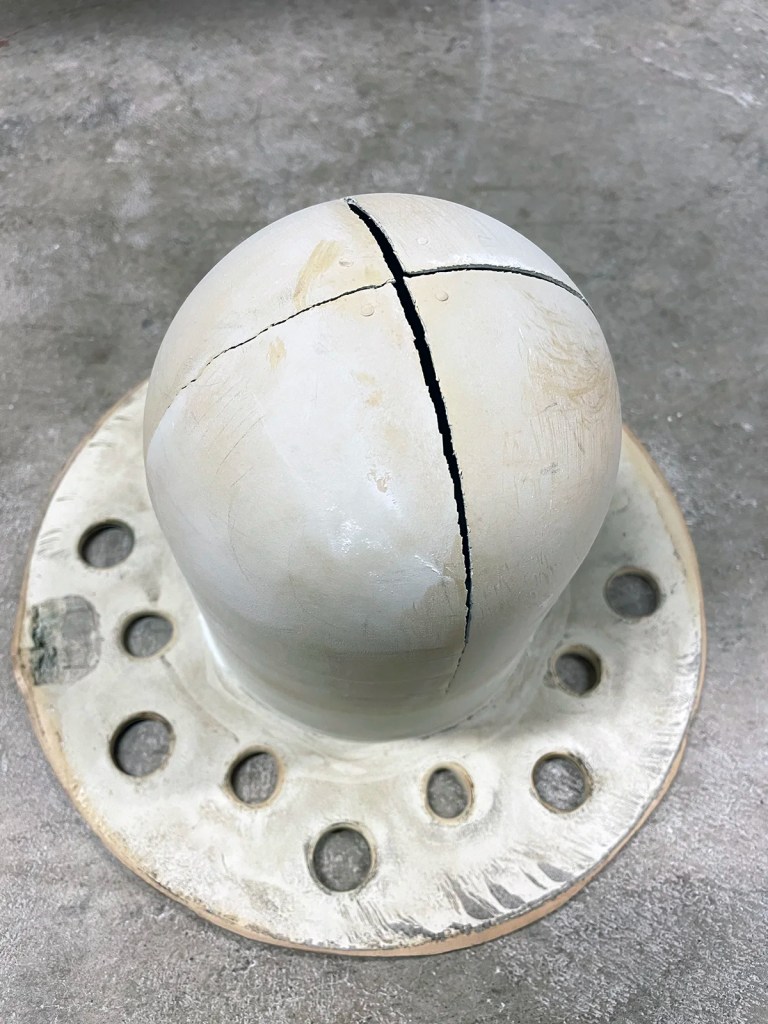
Fire Defense replacing a Fike HRD nozzle cover during a post-discharge explosion protection system rebuild.
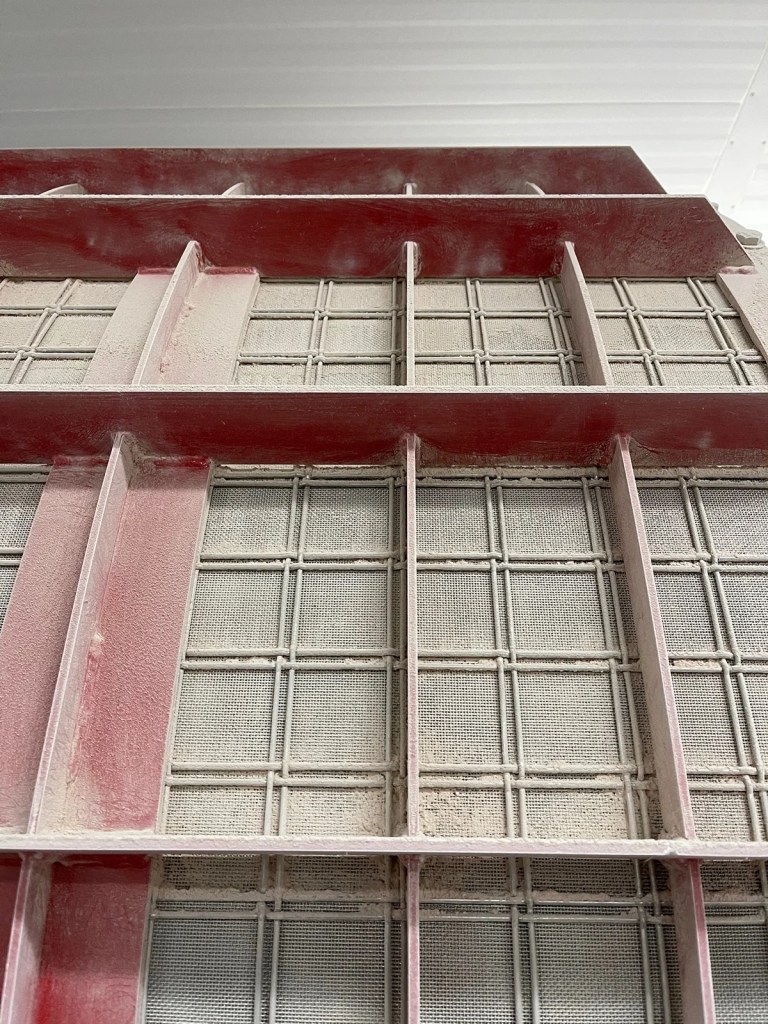
Fire Defense inspecting a flameless explosion vent on a Fike explosion protection system installed on industrial process equipment.
Questions & Answers
What is a Dust Hazard Analysis (DHA)?
A Dust Hazard Analysis is a documented evaluation of combustible dust hazards within a process, including where dust is present, how it can ignite, and what protection methods are needed.
Do all combustible dust hazards require the same type of protection?
No. Protection depends on the dust or gas characteristics, vessel strength, process layout, interconnections, available relief paths, and whether suppression, isolation, venting, or a combination is appropriate.
What do Kst and Pmax mean?
Kst is a measure of dust explosion severity, and Pmax is the maximum pressure produced by a dust explosion under test conditions. Both are used in system design.
Can explosion protection be added to existing process equipment?
Often yes. Existing collectors, mixers, bucket elevators, silos, and conveying equipment can often be retrofitted with detection, suppression, isolation, or venting, depending on the equipment and available mounting locations.
What happens after an explosion protection system activates?
The affected system must be inspected, restored, and reloaded before being returned to service. This may include replacing actuators, suppressant canisters, rupture elements, detectors, or controller components.
Should spare components be kept on site?
Keeping common replacement components on site can reduce downtime after an activation or equipment failure, especially for critical production systems.
Can explosion protection systems be inspected without shutting down the entire plant?
Often yes, but it depends on the equipment, process, and service scope. Some inspections can be scheduled around production, while functional testing or certain repairs may require a controlled shutdown.