Need help with Fire Suppression Systems?
Contact Us → Get a Quote →
Special Hazard
Fire Suppression
Fire suppression systems are designed to automatically suppress fires when reliance on other methods, such as conventional water-based fire sprinkler systems or portable fire extinguishers, have been determined to be inadequate or unacceptable due to the risk of water damage, fire damage, loss of time, loss of assets, loss of life or a combination thereof.
Suppression Agents
Fire suppression systems are categorized and often referred to by the suppression agent they discharge.
Clean Agent
Clean agents are gases used for fire suppression that are safe for sensitive equipment because they don’t conduct electricity, cause corrosion, or leave a mess, and are generally considered safe for occupied areas.
CO2
Carbon dioxide (CO₂) is a gas that suppresses fires primarily by displacing oxygen. It leaves no residue behind but is mostly intended for unoccupied areas due to the rapid reduction in oxygen levels.
Deluge
If you look up the term deluge in a dictionary, you’ll see definitions like “a great flood of water” or “a drenching rain.” True to the name, deluge systems release a lot of water fast to suppress fires.
Dry Chemical
Dry Chemical systems rapidly knock down flames by discharging a dry fine powder to suppress fire hazards. While effective, this agent is not ideal for sensitive environments and leaves a mess that may require cleanup.
Foam
Foam agents create a blanket of foam over the surface of a fuel that suppresses the release of flammable vapors, preventing the fuel from mixing with oxygen. This barrier cuts off the supply of oxygen and fuel and helps prevent re-ignition. However, they have notable environmental considerations and require cleanup.
Water Mist
Water mist systems are similar to traditional fire sprinkler systems but produce ultra-fine water droplets that suppress fires while using much less water and causing less damage to protected areas. Essentially, in terms of fire suppression, the fine water droplets of water mist systems make water “wetter”, while placing less demand on the water supply and often resulting in less water damage.
Wet Chemical
Wet chemical systems, unlike other fire suppression systems, are more often referred to by the application they protect — like kitchen hoods or vehicle fire suppression systems — rather than by the wet chemical agent they use.

Local application low-pressure CO2 fire suppression systems protecting oil based heat treating processes, including furnace conveyors, drip pans, fume collection hoods and exhaust ductwork.
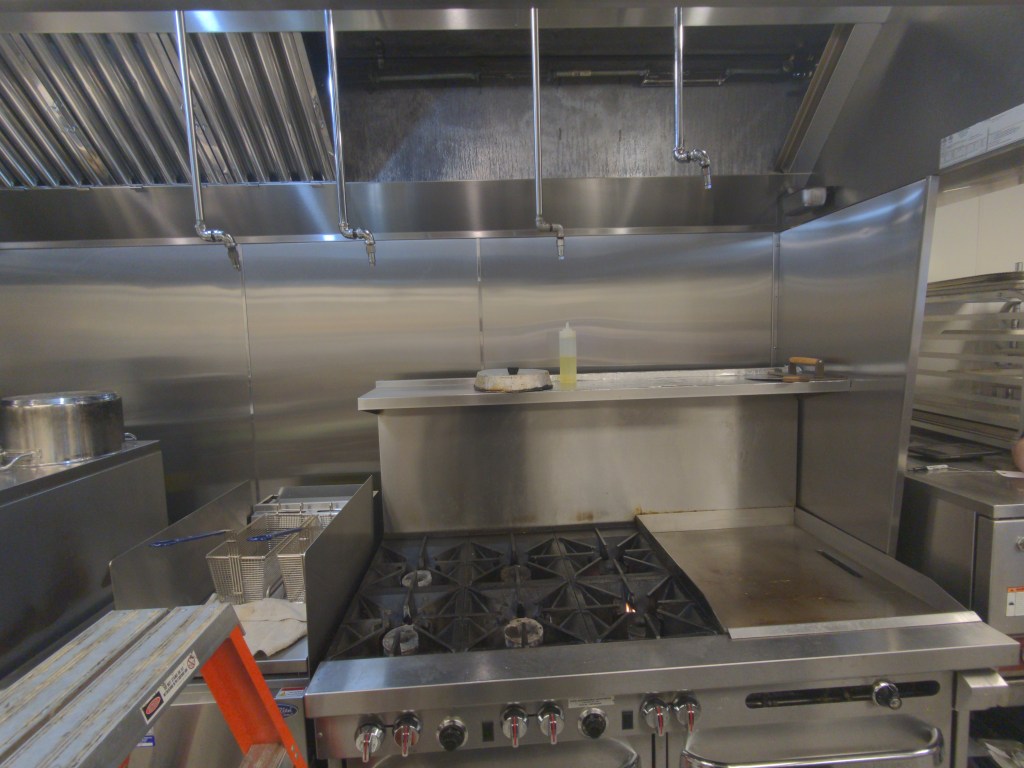
This kitchen hood fire suppression system uses a wet chemical agent to suppress cooking fires and protect an assisted living facility’s commercial kitchen.
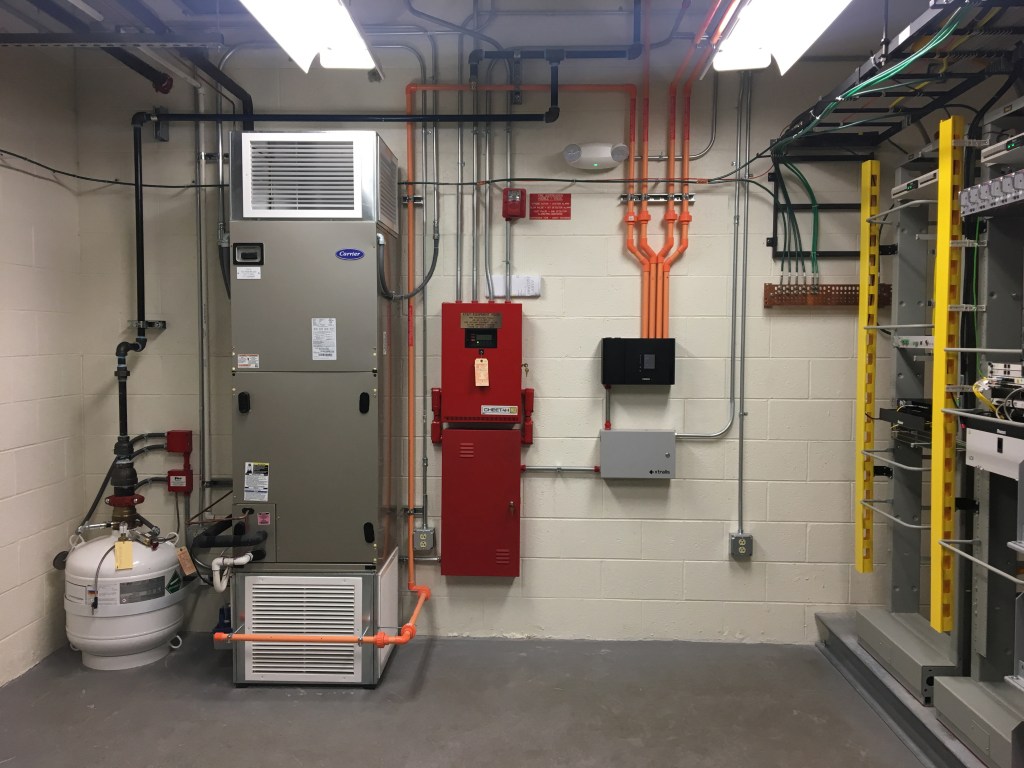
A newly installed Fike clean agent fire suppression system protects a university telecommunications room, paired with Xtralis VESDA very early warning air sampling detection (orange piping). The clean agent gas is stored under pressure in the white cylinder (lower left).

A special hazard fire suppression system which has been designed to protect an in-line automotive paint booth, using optical flame detection and water-based deluge sprinklers, resulting in a high-speed deluge fire suppression system.
Design + Install
Fire Defense designers are NICET-certified and provide submittal, construction, and as-built drawings for Special Hazard Fire Suppression Systems.
Each new installation, designed and installed by Fire Defense, results in a system that delivers reliable protection while meeting or exceeding all applicable codes and standards, manufacturer parameters, customer specifications, insurance requirements, and the requirements of authorities having jurisdiction (AHJs).
ITM
Inspections, testing, and maintenance for special hazard fire suppression systems. Fire Defense technicians keep your fire protection systems operating to NFPA standards and manufacturer specifications through routine and preventative ITM.
Emergency Service
Fire Defense is on call 24/7 for emergencies, recharges, and critical deficiencies, with flexible scheduling available for non-critical repairs and modifications.
Codes and Standards
Fire Defense performs all services for Special Hazard Fire Suppression Systems in accordance with applicable codes and standards, including NFPA standards governing clean agent, CO₂, foam, wet chemical, dry chemical, and water-based special hazard systems; applicable building and fire codes; manufacturer requirements; customer specifications; insurance requirements; and the Authority Having Jurisdiction (AHJ).

Completing viable pre-install work by pre-wiring and pre-testing Fike special hazard fire suppression system control panels that control a Clean Agent suppression, Pre-Action Fire Sprinklers, and equipment interlocks.

A manual pull station for agent release and an abort button for a Fike special hazard fire suppression system. Every initiating device is functionally tested during inspection.