
Need help with a fire suppression system?
FIRE SUPPRESSION SYSTEMS
Small Enclosed Space
Small enclosed spaces such as electrical cabinets, machinery housings, or equipment compartments can contain ignition sources and combustible materials where electrical or mechanical faults, heat buildup, or process conditions can quickly lead to fire.

Linear heat detection clean agent fire suppression system enclosure installed by Fire Defense.
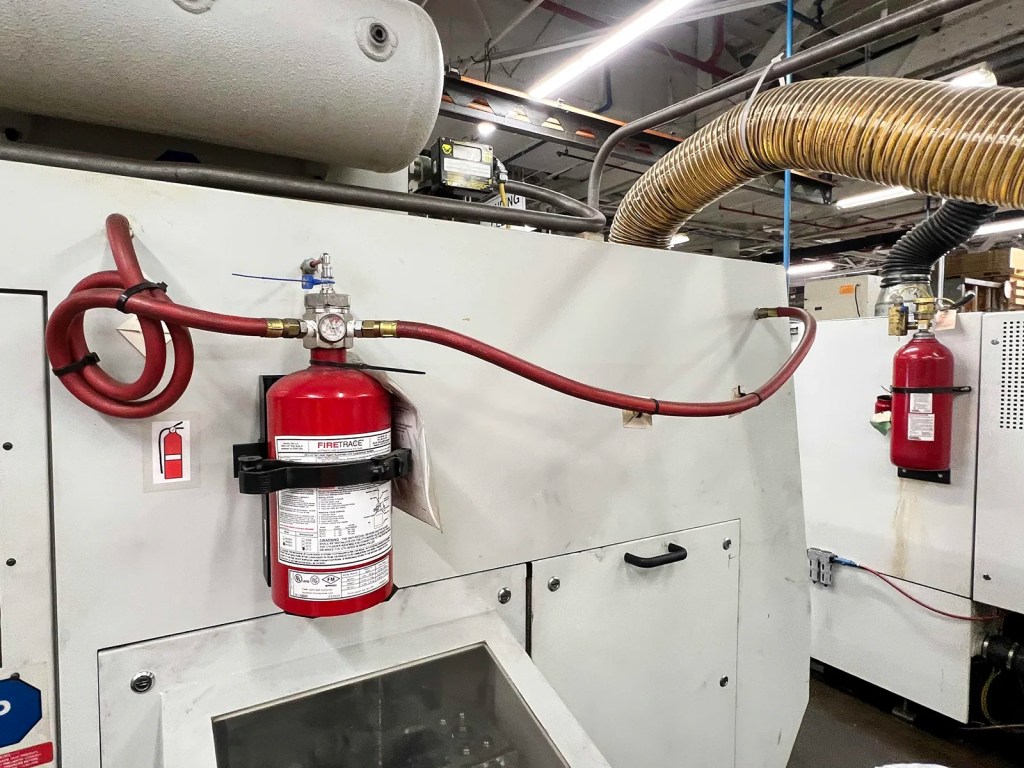
FireTrace linear heat detection fire suppression systems installed by Fire Defense for protection of industrial equipment and small enclosed hazards.
Clean agent or CO₂ fire suppression systems are designed to automatically detect fire conditions and discharge in a total flooding application, filling the entire protected space to suppress the fire at its source. These agents do not leave residue and are nonconductive, helping limit damage to sensitive equipment.
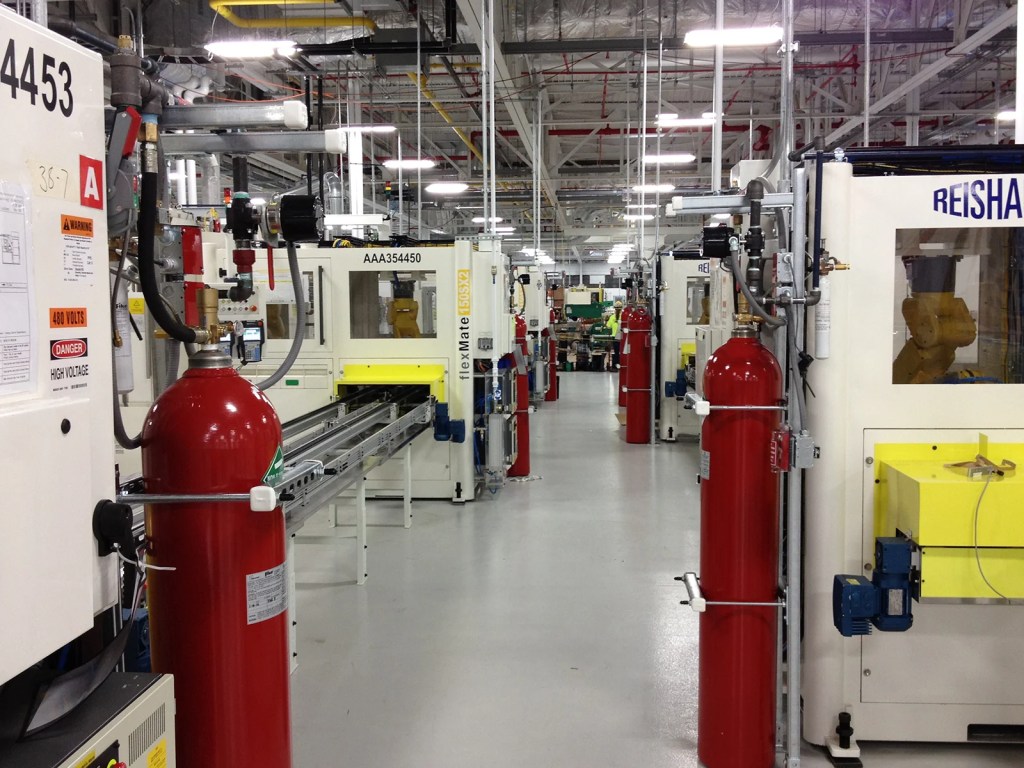
Total flood clean agent fire suppression systems installed by Fire Defense for protection of industrial equipment and small enclosed machine hazards.
PROTECTED SMALL ENCLOSURES
Battery Enclosures. CNC Machines. Control Panels. Electrical Cabinets. EDM machines. Engine Compartments. Generator Enclosures. Machinery Housings. Hydraulic Power Units. Lubrication Systems. Electrical Switchgear. Drive Cabinets. Control Cabinets. Industrial Equipment Enclosures.
Design + Install
Fire Defense provides design and installation for fire suppression systems protecting small enclosed spaces such as electrical cabinets and equipment enclosures.
- Clean agent and CO₂ suppression for enclosed equipment spaces
- Total flooding application based on enclosure volume and concentration
- Enclosure integrity and leakage evaluation
- Protection for cabinets, enclosures, and small equipment rooms
ITM
Fire Defense performs inspection, testing, and maintenance for small enclosed space fire protection systems to verify system readiness and performance.
- Semi-annual inspection of clean agent and CO₂ systems
- Detector sensitivity and alarm verification
- Testing of release logic, alarms, and abort functions
- Cylinder pressure and weight verification
- Inspection of nozzles, piping, and enclosure condition
- Documentation and deficiency reporting
Emergency Service
24/7 emergency service is available for small enclosure systems, including troubleshooting and restoration.
Codes and Standards
Fire Defense performs services in accordance with NFPA 2001, NFPA 12, and applicable codes and AHJ requirements.
Note: NFPA makes its codes and standards available online for free. Select View Free Access under Current & Prior Editions and create a free account.
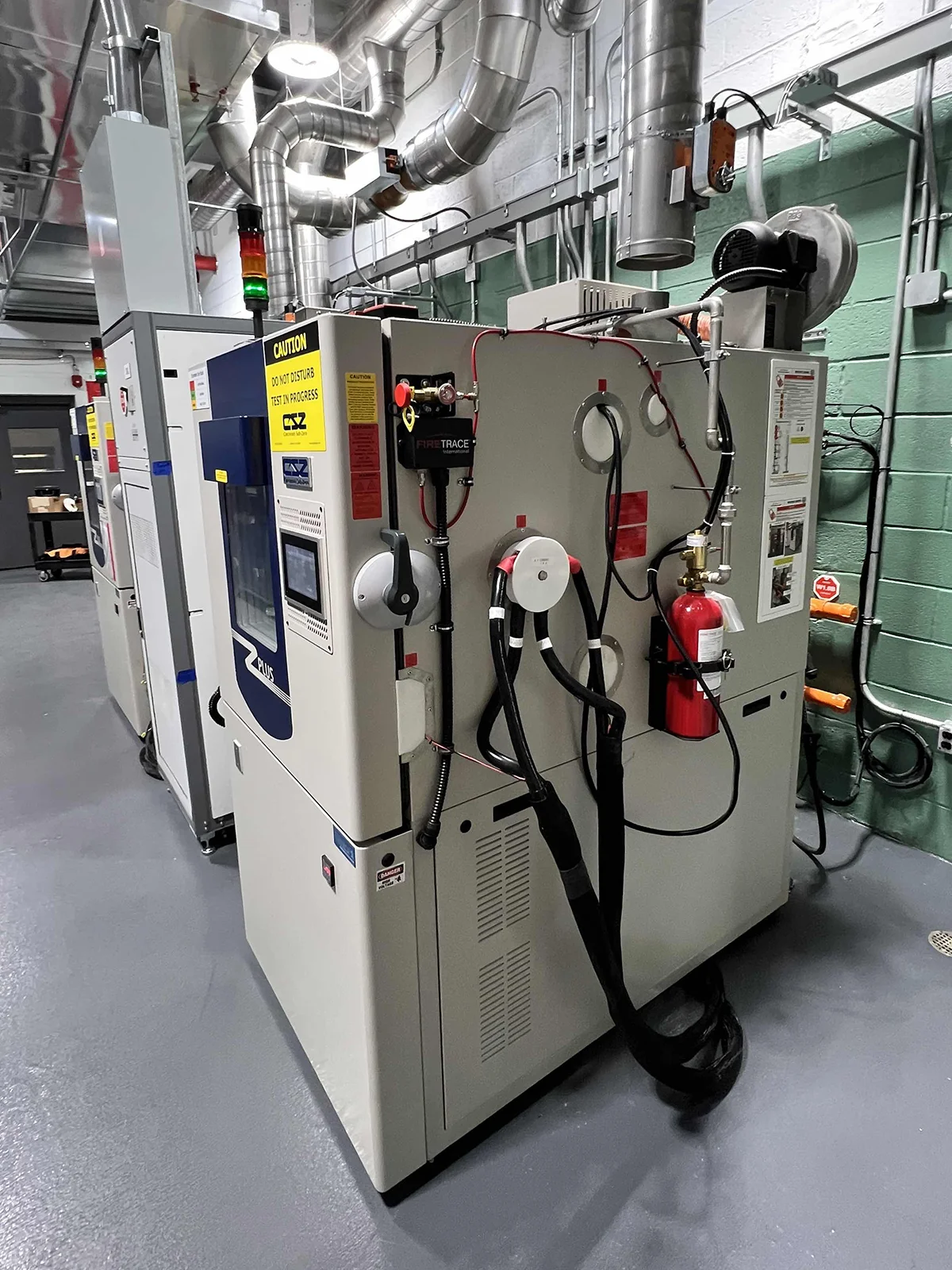
FireTrace clean agent fire suppression system installed by Fire Defense for protection of an enclosed industrial machine hazard. 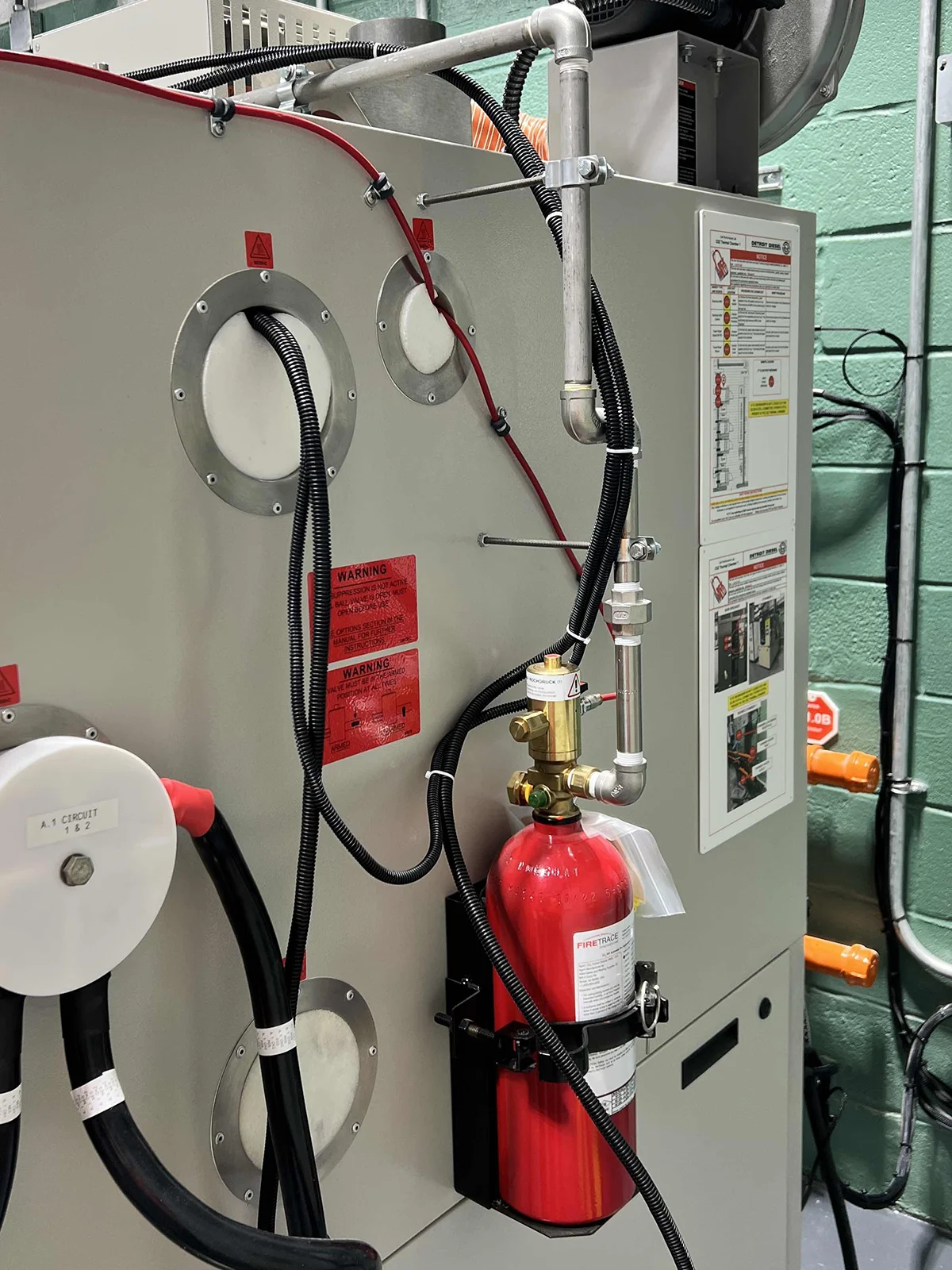
Clean agent fire suppression cylinder and detection tubing installed by Fire Defense on an enclosed industrial machine hazard. 
FireTrace linear heat detection control module installed by Fire Defense for an enclosed industrial machine fire suppression system.
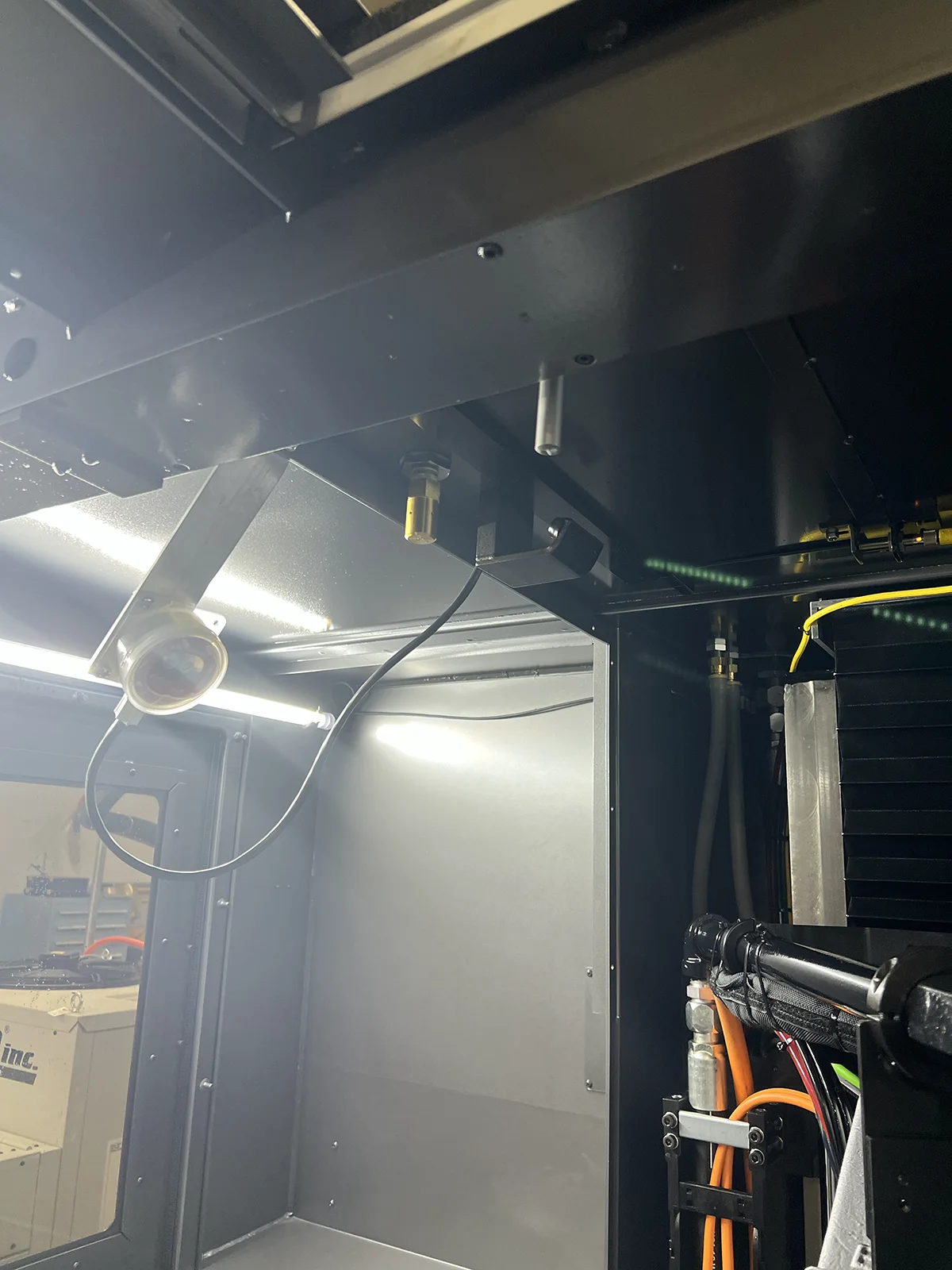
Optical flame detection and clean agent fire suppression system installed by Fire Defense for protection of industrial equipment and enclosed machine hazards. 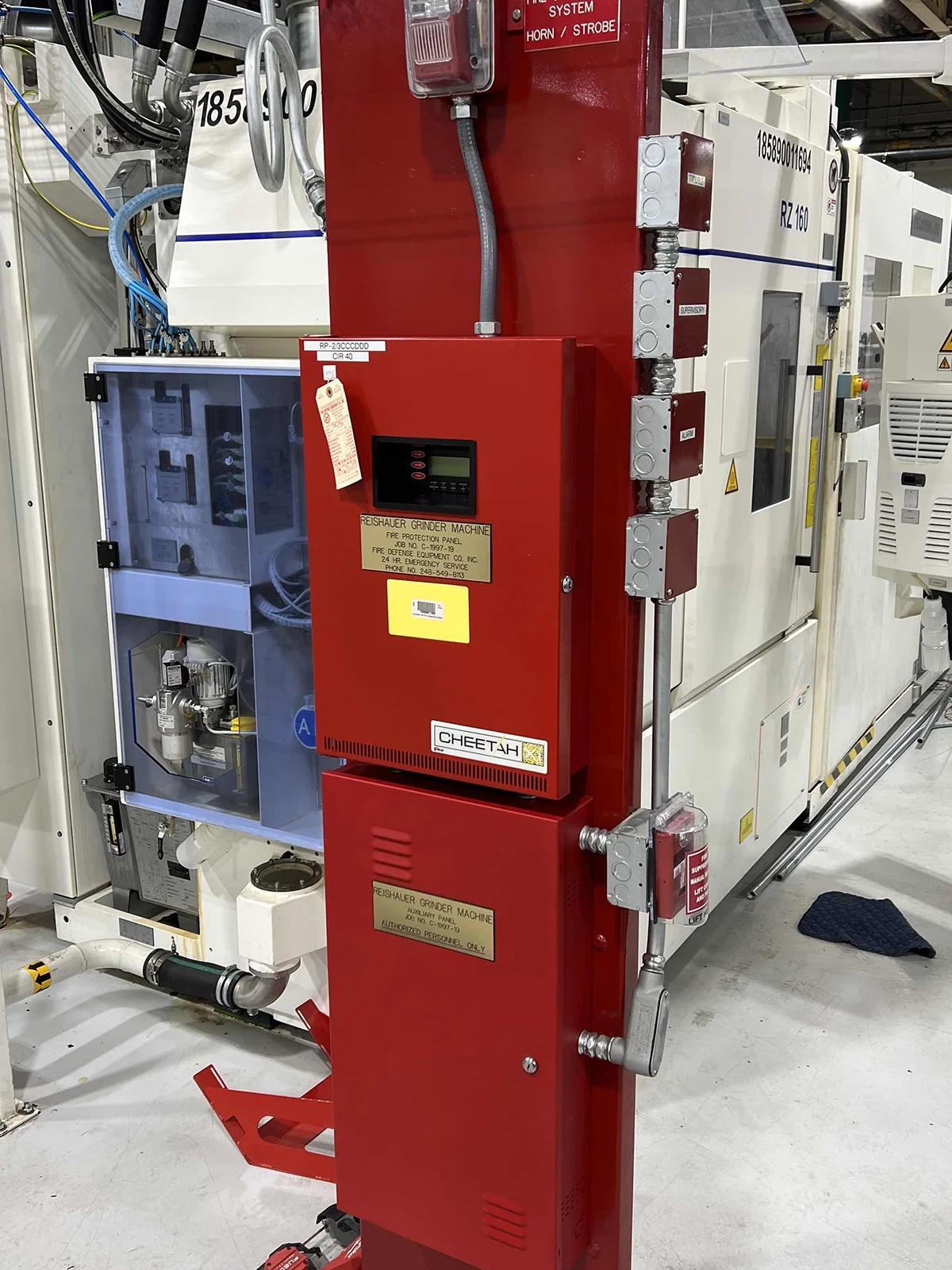
Clean agent fire suppression control panel installed by Fire Defense for protection of industrial grinding equipment and enclosed machine hazards.

Spot-type heat detection and pre-action fire sprinkler system installed by Fire Defense for protection of an enclosed industrial process area.

Spot-type heat detection and clean agent discharge nozzle installed by Fire Defense for protection of an enclosed industrial machine hazard.
Questions & Answers
How are small part manufacturing equipment and CNC machines protected from fire?
CNC machines and small part manufacturing equipment can generate heat, sparks, and oil mist during operation. Fire protection is typically applied directly within the machine enclosure using clean agent or CO₂ systems, with detection and release configured for rapid response to fire conditions inside the equipment.
What causes fires in CNC machines and small part manufacturing equipment?
Accumulated metal chips, cutting oils, and coolant residues can ignite from heat buildup, friction, or sparks during machining. Poor housekeeping, blocked enclosures, and inadequate maintenance can allow these conditions to develop and increase fire risk.