
Need help with fire or hazard detection?
Contact Us → Get a Quote →
FIRE + HAZARD
Detection Devices
Fire protection, explosion protection, and life safety systems are designed with automatic detection devices that initiate responses without human intervention when a fire, explosion, or other hazard is detected, including:
• Early warning notifications
• Audible and visible alarm signals
• Interlocks such as fire doors, smoke dampers, or process shutdowns
• Transmission of messages to remote supervising stations
• Discharge of suppression agents
Detector Types
Several factors must be assessed to determine the most suitable type of detectors such as hazard type, response time demand, rate of rise, area of coverage, obscuration threshold, and environmental attributes.
Air Sampling
Very early warning or early warning smoke detection can be achieved with air sampling detectors, also known as aspirating smoke detectors, which continuously draw in air and analyze it for very low concentrations of smoke in the incipient stage of a fire.
Gas
Gas detectors identify specific combustible, toxic, or oxygen-deficient conditions by sensing changes in gas concentration. Each device is calibrated to detect specific gases and activate when concentration levels exceed predetermined limits.
Heat
Spot-type heat detectors monitor for abnormal temperature conditions at a single point of installation. They activate when a fixed temperature threshold is reached or when temperature rises at a defined rate of rise.
Linear Heat
Linear heat detection consists of a continuous cable or tubing capable of detecting heat at any point along its length. It is suitable for installation both within confined enclosures and across expansive areas with continuous runs extending thousands of feet.
Optical Flame
Optical flame detectors continuously monitor for open flames, including fast-erupting fires, using ultraviolet (UV) and infrared (IR) sensors. They provide extremely rapid detection while reliably distinguishing actual fire conditions from non-fire sources such as welding or lightning.
Smoke
Smoke detectors respond to the presence of smoke in the air and activate when smoke levels exceed a specified sensitivity threshold. Available in spot-type, duct, projected beam, and air sampling configurations, they must be properly selected and positioned to ensure reliable performance and minimize nuisance alarms.
Spark
Sparks, embers, or hot particles traveling through ducts or process equipment can lead to a fire or explosion. Spark detection systems are tuned to identify these small, moving ignition sources and are typically integrated with high-speed suppression systems that activate within milliseconds to prevent escalation.
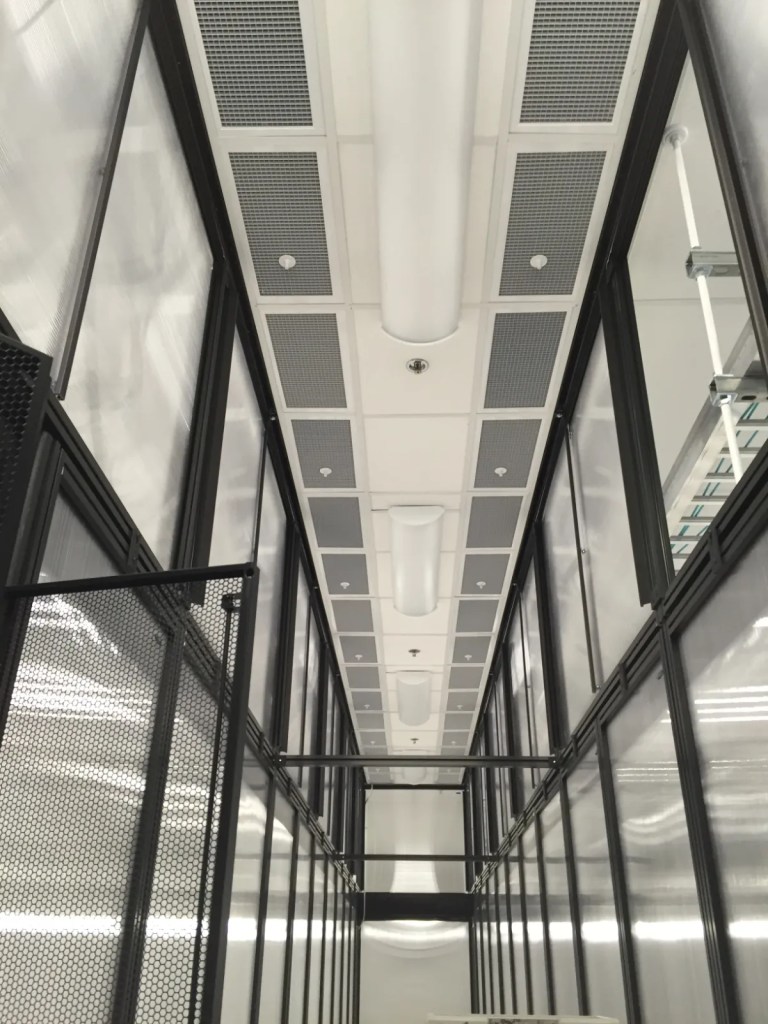
Ceiling-mounted VESDA air sampling points providing very early warning smoke detection in a data room. Installation by Fire Defense.

Automated powder coating booth with electrostatic spray equipment interlocked to optical flame detection for immediate fire response. Installation by Fire Defense.
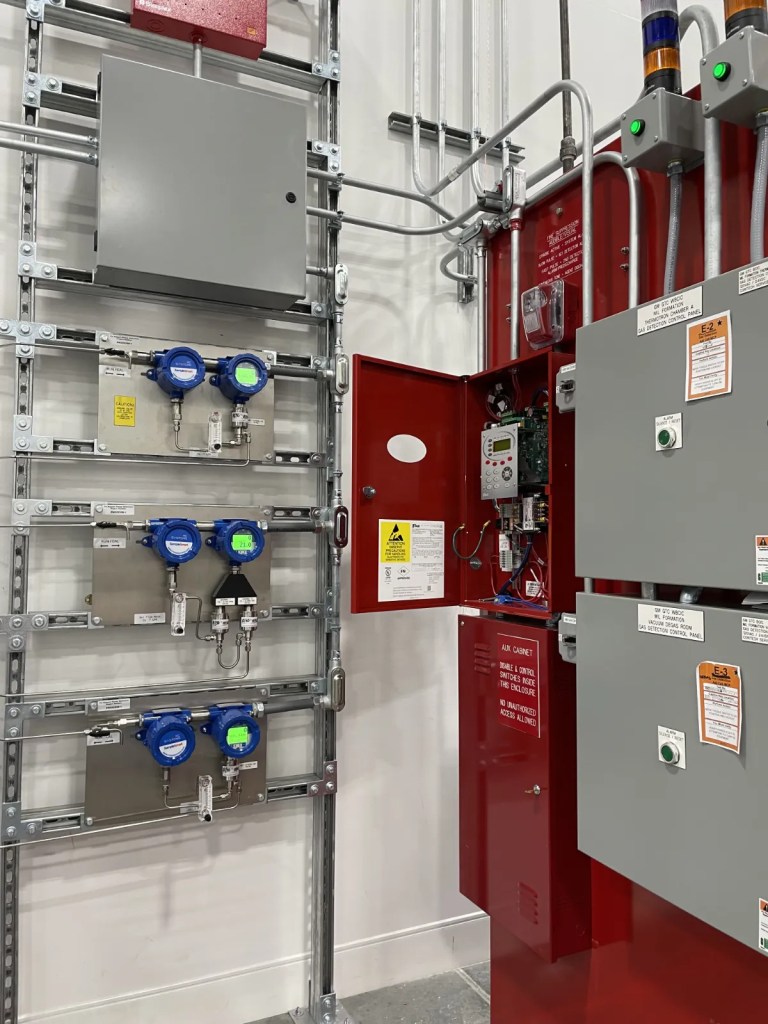
Gas detection system installed to continuously monitor oxygen deficiency, carbon monoxide, and hydrogen concentrations. Installation by Fire Defense.
Design + Installation
Through performance-based design, Fire Defense develops detailed estimates and submittal drawings—including device layouts, sequence of operations, and installation specifications—to ensure accurate coordination, streamlined approvals, and precise system execution.
Fire Defense NICET-Certified Engineering Technicians manage and verify every phase of installation—from material procurement and field coordination to commissioning and final acceptance testing.
ITM
Inspections, testing, and maintenance of detection devices are essential to ensuring safety and proper system performance. Fire Defense technicians verify correct device operation, manufacturer-specified response times, system functionality, and compliance with applicable codes and standards.
Emergency Service
If your detection devices identify a fire or hazard, Fire Defense is on call for emergencies and critical deficiencies. For non-critical repairs or modifications, we offer flexible scheduling to fit your operations.
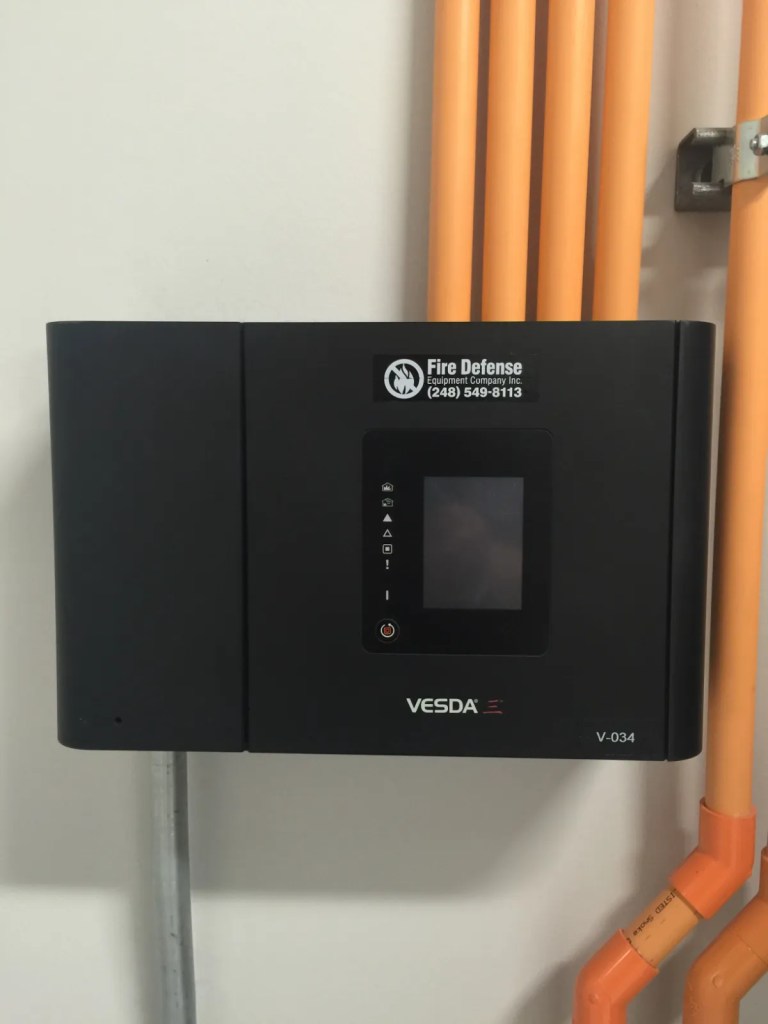
Air sampling pipe network terminating at a VESDA very early warning smoke detection unit.
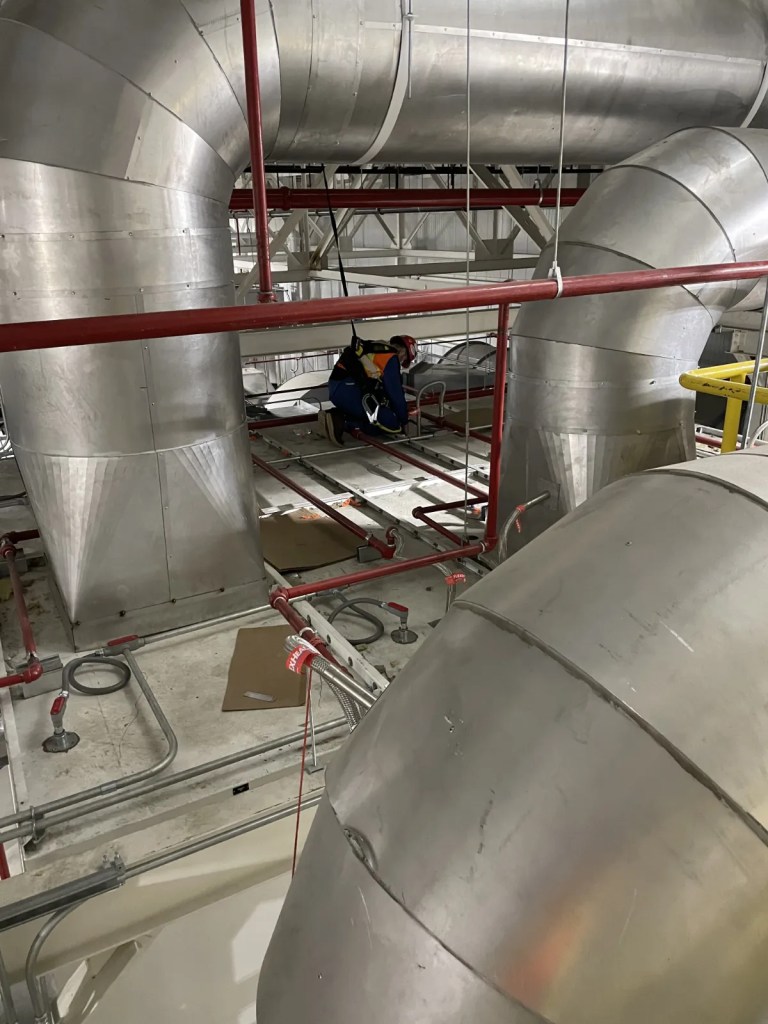
Fire Defense technician inspecting fixed spot-type heat detectors for localized thermal protection in an industrial environment.

Pre-installation burn-in testing of spot-type smoke detectors for a pre-action fire sprinkler system by Fire Defense technicians.

Fire Defense technician testing optical flame detection devices during inspection of a special hazard fire suppression system.